March 16, 2026
Modern household appliances make daily life more convenient, but they are not immune to wear, tear, and technical problems. From refrigerators and ovens to washers, dryers, dishwashers, and microwaves, each appliance has its own set of common malfunctions that can disrupt routines and increase repair costs. Understanding these issues—whether it’s a leaking fridge, a non-heating oven, or a dryer that won’t warm—equips repair students and homeowners alike with the knowledge to diagnose problems efficiently and extend the life of their appliances. By exploring the most frequent maintenance challenges, aspiring technicians can develop the skills needed to keep homes running smoothly and safely by attending an appliance repair school.
Refrigerator Maintenance Issues
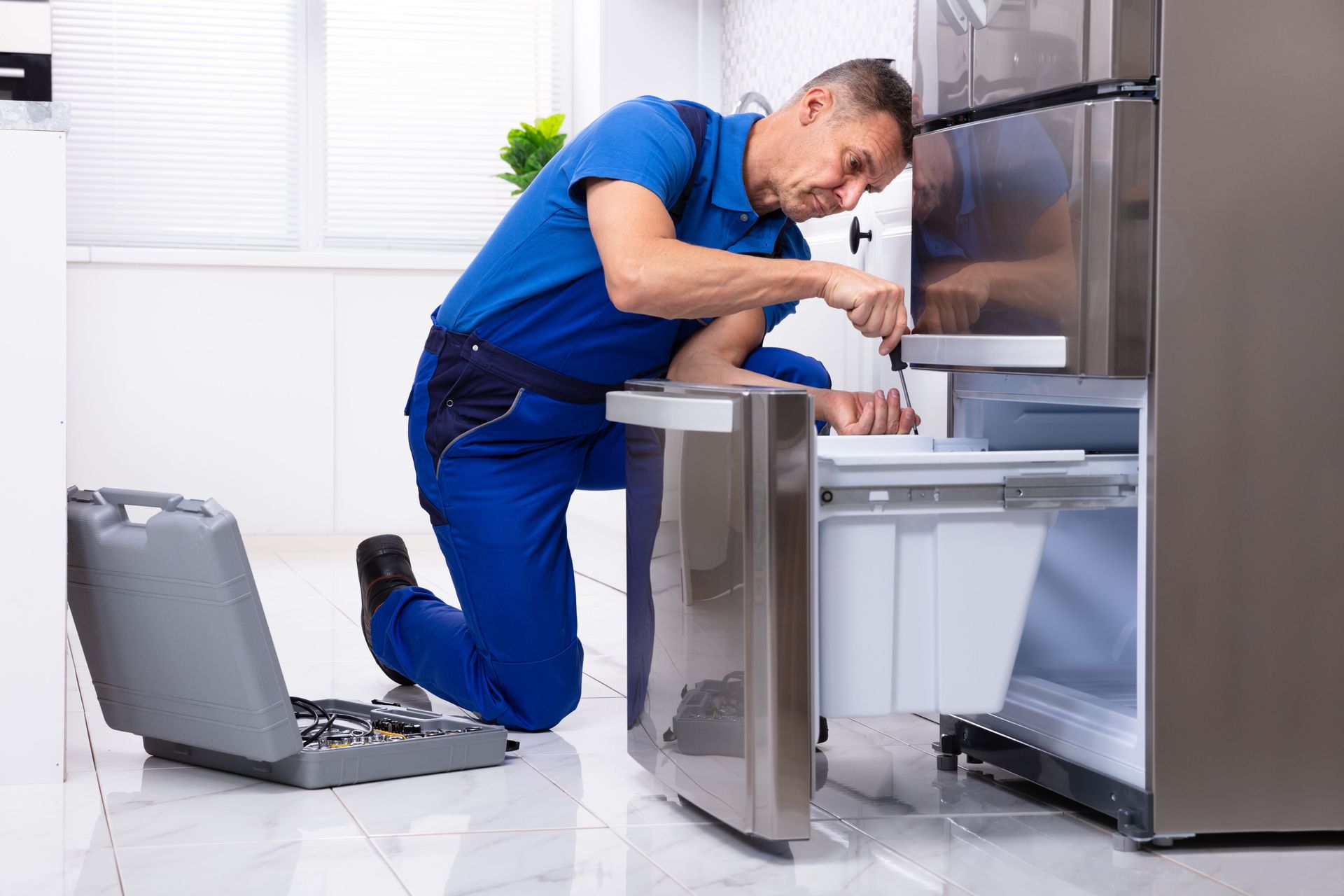
The modern refrigerator is an essential household appliance, yet it is not immune to various technical problems. Temperature regulation is a frequent problem that can lead to food spoilage if not appropriately addressed. Students must understand thermostat mechanisms and how they impact cooling efficiency within the fridge. Another common issue involves leaks, which may stem from the defrost drain, water supply line, or clogged filters. Interestingly, according to This Old House, refrigerators are among the most commonly replaced appliances, typically lasting nine to 13 years before needing a new one.
Another common refrigerator problem is a malfunctioning ice maker, which can be frustrating for homeowners. The issue may arise from a jammed ice bin, a faulty water inlet valve, or a malfunctioning water filter, impacting ice production. Students should be familiar with diagnosing each component, understanding how to replace parts, and recognizing the signs of each malfunction. Noisy operation is also a typical complaint, often due to worn-out parts or a poorly balanced refrigerator. Addressing these noise issues requires identifying the source, whether it be the compressor, condenser fan, or evaporator fan.
Door seal problems can lead to inefficiencies and increased energy costs as warm air enters the fridge. You'll learn at an appliance repair school that a proper seal is crucial to maintain the interior climate and prevent energy loss, and students must learn the techniques for testing and replacing faulty gaskets. Recognizing the signs of a door seal issue, such as condensation or increased energy bills, is vital for a prompt diagnosis. Understanding these aspects of refrigerator maintenance ensures that aspiring technicians can handle some of the most frequent issues and understand the importance of regular maintenance. Knowing how to extend the life of a refrigerator can also help technicians advise customers on proper care and maintenance practices.
Common Oven Malfunctions
Ovens are fundamental to household kitchens, but their complexities can result in various malfunctions. An appliance repair school will teach you that inaccurate temperature control is a major concern, as it affects cooking performance and efficiency. Issues can stem from a faulty temperature sensor or a malfunctioning thermostat, both of which require precise diagnostic skills. For repair students, understanding the calibration of these components is essential for correcting such inaccuracies. Regular maintenance and accurate diagnostics ensure that food preparation is consistent and reliable.
Another prevalent issue with ovens is burners not heating properly, which may be due to problems with the burner element or electrical connections. Identifying whether the fault lies in a specific burner or the wiring requires careful inspection and testing. Knowledge of electrical circuits and burner configurations is essential for aspiring technicians to repair these issues effectively. Additionally, students should be adept at replacing damaged burners and elements, ensuring safe and proper operation. Troubleshooting these burner problems is vital for maintaining a desirable cooking environment.
Oven door malfunctions, such as not closing or sealing properly, can lead to heat loss and inefficient cooking. The design of an oven door requires a precise fit, and any misalignment can affect the appliance's performance. Repair students should understand common causes, including worn-out hinges or seals, and how to resolve these problems. Self-cleaning function failures often occur when electronic components malfunction, a topic students must explore to ensure a comprehensive understanding. Addressing these oven complications ensures reliable cooking and reduces safety hazards in the kitchen.
Washer and Dryer: Frequent Troubles
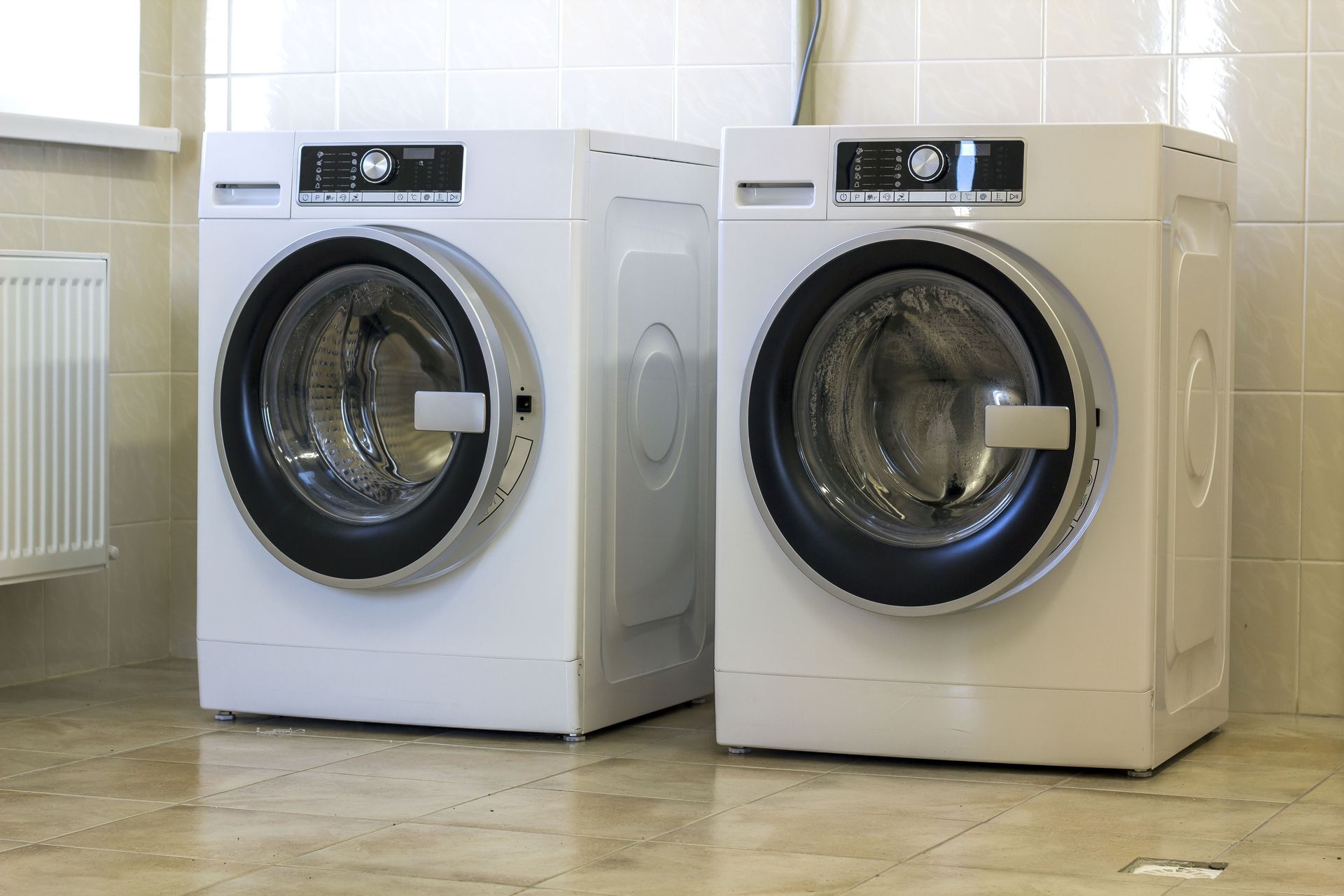
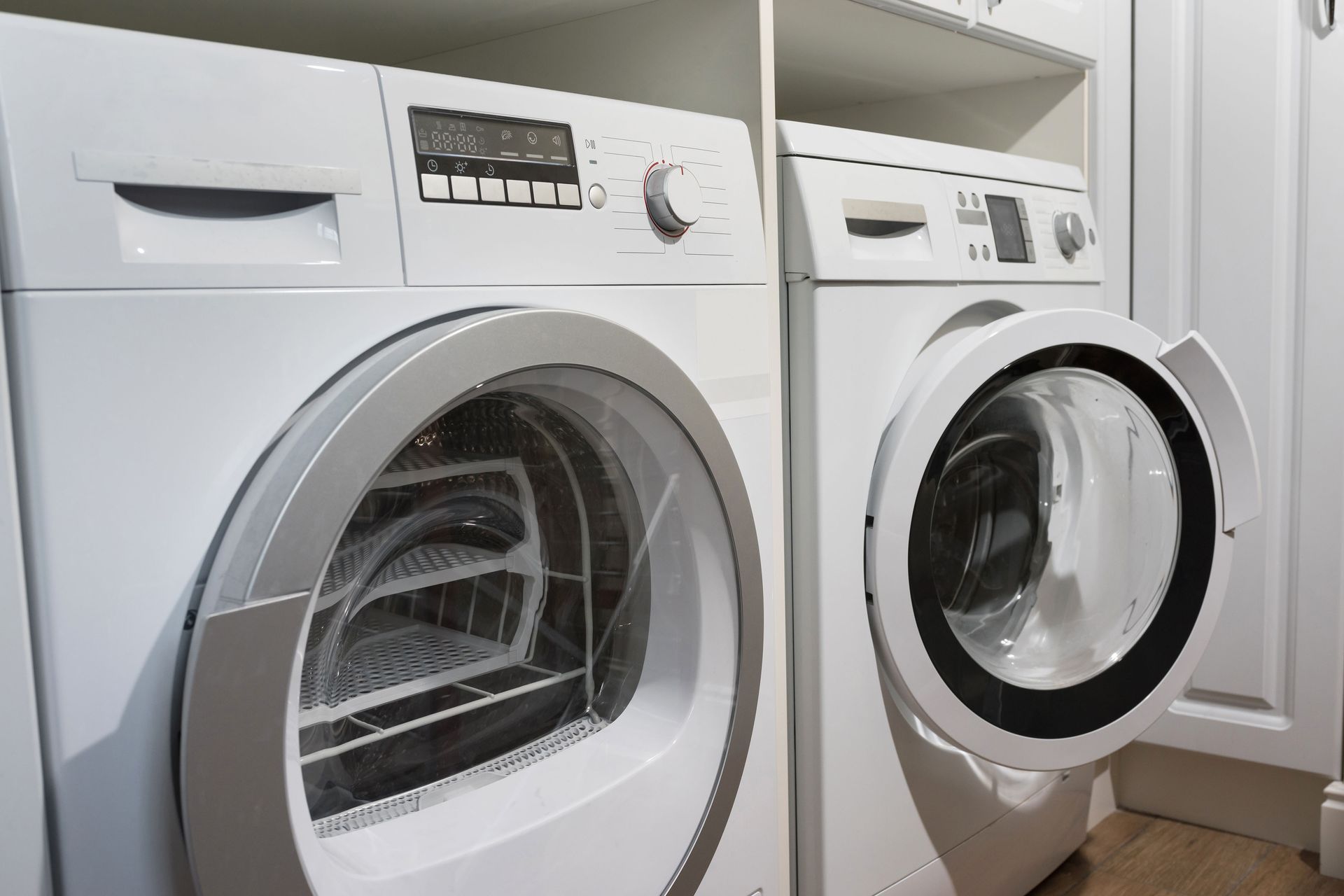
Washers and dryers are integral to household convenience, but they are susceptible to distinct problems, something you'll learn at appliance repair school. A washer not spinning or agitating properly can be due to a broken drive belt, malfunctioning lid switch, or faulty motor coupling. These elements require students to have a grasp of mechanical and electrical systems within the washing machine. Proper diagnosis involves checking connections, examining parts for wear, and understanding when to repair or replace components. Efficient troubleshooting of these issues ensures laundry is washed effectively.
Dryers that fail to heat effectively can create significant challenges, from increased drying times to complete drying failures. Causes can include a defective thermal fuse, broken heating element, or faulty thermostat, all requiring detailed examination. Repair students should focus on understanding the dryer's heating circuit and identifying components responsible for heat production. Addressing these issues not only restores function but also enhances safety by preventing overheating or potential fires.
Dishwasher Complications
Dishwashers save time and effort, but improper function can lead to frustration — a common occurrence mentioned in appliance repair school. Poor cleaning performance is a frequent complaint, often resulting from clogged spray arms, ineffective detergent, or malfunctioning water inlet valves. Students need to understand how to identify and address these components for optimal performance. Properly maintained spray arms and valves ensure thorough cleaning, maintaining hygiene and convenience for users. Regular inspection and timely repairs can prevent further complications, ensuring dishes are spotless after each cycle.
Water drainage problems in dishwashers are crucial to address, as stagnant water can cause unpleasant odors and potential water damage. Blocked filters, clogged drain hoses, or faulty drain pumps are common culprits that students must be able to diagnose and resolve. Understanding how to dismantle, clean, and reassemble the drainage system can safeguard the appliance's long-term functionality. Adequate drainage prevents issues that can escalate into major repairs, making it a vital skill for repair students. Effective drainage ensures the efficiency and hygiene of dishwasher operations, which you'll learn more about at appliance repair school.
Microwave Oven Dilemmas
Microwave ovens are a convenient kitchen tool, but they are not without their problems. A microwave not heating is a common issue, typically stemming from a faulty magnetron, diodes, or door switch. Repair students must familiarize themselves with the internal workings of microwaves to diagnose these issues accurately. Knowledge of high-voltage systems and components is crucial for repairing such complex problems safely. Restoring heating functionality allows for reliable and efficient cooking, a vital aspect of this common household appliance.
If the microwave's turntable is not rotating, the problem may lie with the turntable motor or drive bushing. This component is necessary for even cooking, and students need to know how to assess and repair motor issues. Additionally, sparks inside the microwave indicate a severe malfunction, sometimes due to faulty rack supports, waveguide covers, or improperly used metal objects. Recognizing these hazards and knowing how to execute repairs minimizes risks and restores safe operation.
Regular maintenance and timely repairs are essential for keeping household appliances operating efficiently and safely. By understanding the common issues in refrigerators, ovens, washers, dryers, dishwashers, and microwaves, students and homeowners can prevent costly breakdowns and enhance appliance longevity. Whether you’re a repair student learning the trade or a homeowner seeking practical tips, staying informed is key to effective appliance care. Start mastering these essential skills today and enroll in our appliance repair school at Dyer Appliance Repair Academy today!